
How Intrinsic eliminates manual robot coding
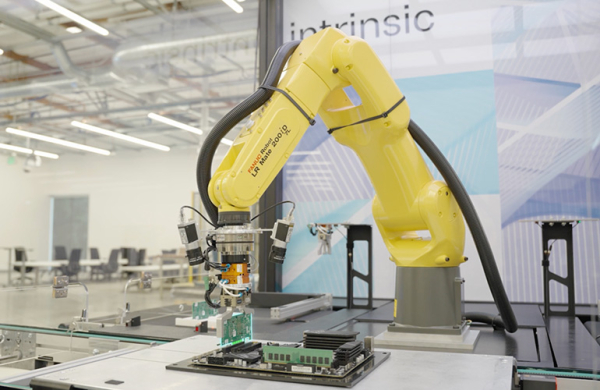
Intrinsic Intelligence aims to unlock new value for the industry through adaptive AI-enabled industrial robotics. | Credit: Intrinsic
Alphabet’s Intrinsic debuted a modular, software-first robotic workcell design powered by IntrinsicOS. With the platform, Intrinsic aims to democratize industrial AI by replacing complex robot coding with drag-and-drop automation. This comes ahead of Intrinsic’s major manufacturing pilot with Foxconn later this year.
The company is demonstrating the Intrinsic Intelligence Cell at Automate 2026 to show what’s possible for modular, AI-infused production applications from factories to machine shops. The workcell runs on IntrinsicOS, leveraging AI to quickly implement skills-based automation for complex assembly.
Some of the skills include instant process and tool reconfigurations, enabling “high mix” production for smaller custom batches. The workcell at Automate features a FANUC robot performing electronic assembly.
Intrinsic is working with CNC system integrators such as Trinity Automation and MartinSystems to help the companies integrate AI skills and capabilities seamlessly into their next-generation products. The systems are built for easy, manageable use on the machine shop floor, without the need to program a robot anymore. Integrating AI capabilities, such as perception, automated robot motion planning, and the ability to grasp and insert parts, brings robotic assistance directly to machine operators.
Intrinsic said it’s firmly committed to supporting ROS developers and helping them to quickly transition from prototyping to production.
AI for Industry Challenge: Global participation and results
As part of its efforts to unlock new value for the electronics industry with software and AI-driven solutions, Intrinsic has also opened greater access to the global developer community.
Along with co-organizer Open Robotics, Intrinsic announced the global AI for Industry Challenge in 2025. This challenge aims to solve one of the hardest problems in electronics assembly: the dextrous manipulation of cables and connectors. With a $180,000 prize pool, this is an opportunity for the world’s best software and robotics developers to team up and tackle a seemingly intractable problem with their own AI policies, and using a variety of open source tools from Gazebo to Google DeepMind’s MuJoCo and NVIDIA Isaac Sim.
The challenge had over 5,000 registrations across 1,600 teams spanning over 115 countries, with eight teams achieving near-perfect scores so far through the simulation evaluation phase. | Credit: Intrinsic
Out of the over 1,600 teams that initially entered the challenge, eight teams have achieved near-perfect scores through the simulation evaluation process. 93% of the participants are proficient in Python, 73% with ROS, and 47% work in AI, ML, and software engineering industries. Only 14% of participants work in robotics. This points to substantial interest and untapped potential from the world’s leading software engineers to make a splash in robotics.
The post How Intrinsic eliminates manual robot coding appeared first on The Robot Report.
Похожие записи
Оцените материал:
Похожие записи
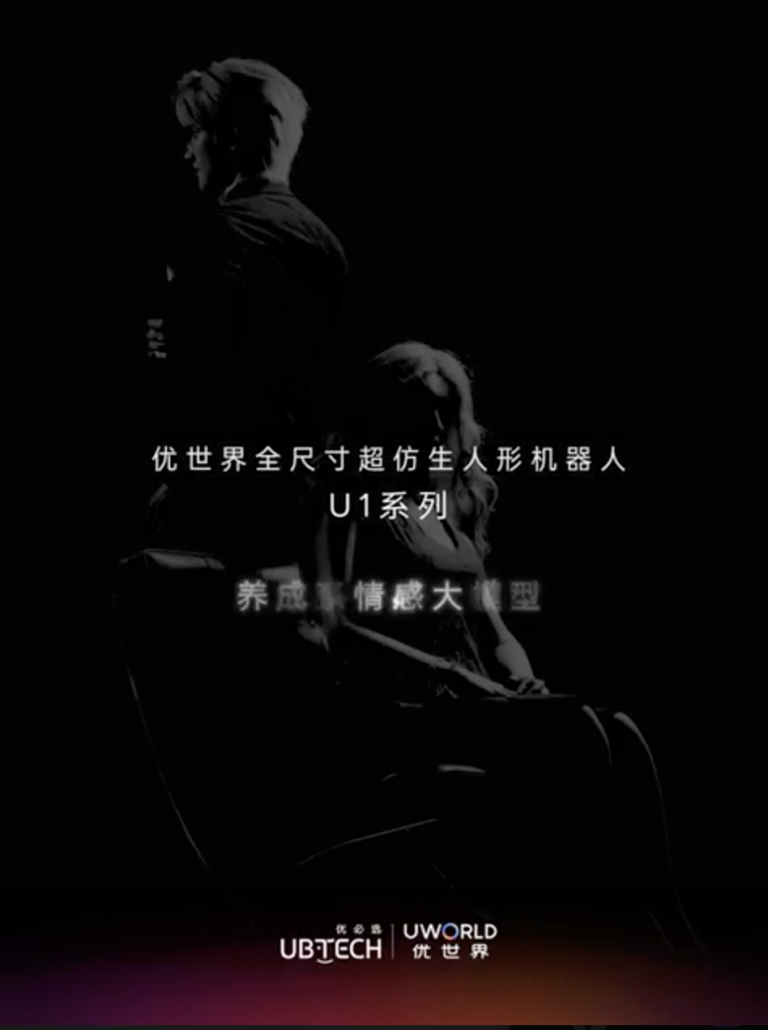
UBTech анонсировала мужскую и женскую версии гуманоидных роботов компаньонов U1,
12.06.2026
Внедрение систем компьютерного зрения способствует повышению производительности в розничной торговле.
18.06.2026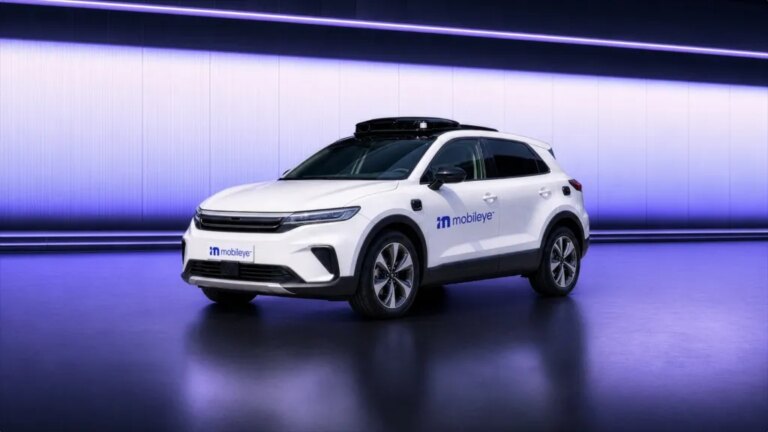
Компания Mobileye, поставщик технологий для беспилотных автомобилей, хочет снова стать частью революции роботакси.
16.06.2026Присоединяйтесь и подпишитесь на рассылку самых свежих новостей по Email
Получайте свежие новости и идеи на почту. Без спама — только самое интересное.
Нажимая «Подписаться», вы соглашаетесь с политикой конфиденциальности.